

Climate, Health and Equity Brief
July turmoil, celebrating progress, and the Brief signs off
July 31, 2026

The Climate, Health & Equity Brief is GMMB’s take on the latest news on the current impacts of climate change. If you haven’t subscribed yet, you can do so by clicking here.
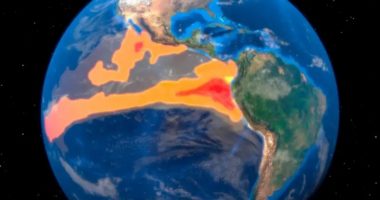
Hot Topic: Celebrating progress. July has delivered a punishing run of climate extremes underscored by record-warm oceans that scientists say are supercharging both the heat and the rainfall driving these disasters.
In North America alone, back-to-back July heat waves shattered more than 1,400 daily temperature records in the U.S. and placed more than half the population under major or extreme heat alerts. Catastrophic flash flooding—including a 1,000-year rainfall event in Texas Hill Country and a historic statewide emergency in West Virginia—made July one of the worst months on record for flash-flood emergencies. And smoke from nearly 850 active wildfires in Canada choked Toronto and degraded air quality for an estimated 100 million Americans.
Yet even in a month defined by extremes, pockets of progress emerged.
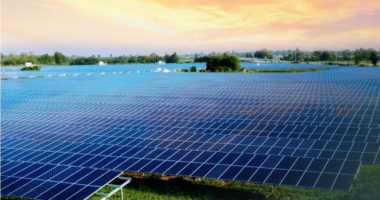
- During peak demand periods in Texas, solar supplied more than 30% of the state’s electricity, helping maintain grid reliability during extreme heat.
- Across the country, grid operators met high electricity needs without widespread emergency conservation measures or rolling outages, highlighting the growing role of clean energy sources during periods of stress.
- During the first half of 2026, U.S. wind and solar generation increased 10%, surpassing both coal and nuclear generation over the same period.
- As electricity demand grows—driven in part by AI infrastructure—states including Minnesota, Oregon, Michigan, and New York are moving to manage the strain, from clean-energy requirements to outright moratoriums until the state develops rules on energy use, water consumption, and grid reliability.
- Former NOAA staff have heroically rebuilt the Trump-shuttered Climate.gov’s 15-year archive of vetted climate articles, explainers, and educational resources at a new home, Climate.us.
- A federal judge this week ordered the EPA to resume distributing $2.8 billion in environmental and climate justice grants the agency had terminated under the Trump administration.
- A new report finds that globally, multilateral development bank climate finance rose 19% to a record $162.5 billion in 2025, including an all-time high of $103 billion for low- and middle-income countries.
- Advances in climate science are helping researchers better attribute the role of climate change in specific extreme weather events, underpinning a growing body of climate litigation aimed at holding big polluters accountable for their role in the climate crisis.
Taken together, these developments underscore a growing reality: the investments, infrastructure, energy systems, and information tools we build today will shape what comes next—and outlast the whims of any single administration.
– Traci and the GMMB Climate Team
Editor’s note: After nearly eight years, today marks the final edition of the Climate, Health & Equity Brief. Writing this Brief has been a labor of love for our team—just like the climate, health, and equity work we do for our clients every day at GMMB.
When we started the Brief in early 2019, dedicated climate newsletters were rare. Today, there are dozens—from specialty outlets and major, mainstream news organizations alike—that are keeping a focus on new developments and holding the Trump administration accountable for turning back the clock on climate progress (see today’s Kicker for many of these resources). This is a shift we are honored to have been a part of, and our work on these vital issues is far from over.
To you, our readers, thank you for your loyalty to the Brief and your unwavering dedication to climate action. There are reasons for hope, there is change on the horizon, and we will keep agitating, advocating, and speaking truth to power right alongside you. We look forward to seeing you in the fight.
Human Health
A growing body of research shows that extreme heat impairs brain function, making people slower, angrier, and less focused, and it may also make the brain more vulnerable to air pollution, increasing the risk for dementia and Parkinson’s disease. (The New York Times)
New Climate Impact Lab research found that heat-related deaths will increase by approximately 430,000 annually by 2050, with 10 times more deaths in low-income countries least able to increase electricity use for cooling adaptation. (Down To Earth)
More than 2,000 deaths in Spain and France have been attributed to June’s extreme heatwave, with emergency medical calls for dehydration and heatstroke surging 316% and 480%, respectively, and elderly populations experiencing an 85% increase in heat-related mortality. (The Guardian)
Planetary Health
The world’s oceans reached their hottest June ever recorded at 69.8°F, with marine heatwaves affecting 82% of the global ocean. (Al Jazeera)
Europe’s hottest and most humid heat wave on record has driven severe marine heat around Britain, with sea temperatures reaching up to 9°F above average, threatening public health and marine life. (New Scientist, The New York Times)
The Pacific gray whale population has fallen from about 20,000 to fewer than 13,000 since 2019 as melting Arctic sea ice disrupts their food supply, prompting environmental groups to seek renewed Endangered Species Act protections. (The Guardian)
Climate change is fueling a dramatic increase in North American wildfires and smoke events, with extreme smoke days surging 27-fold over the past decade and wildfire smoke projected to kill an estimated 70,000 people annually by 2050. (The New York Times)
Equity
A new study finds that climate change could eliminate roughly 30 percent of the plant species that Amazon Indigenous communities have relied on for centuries for food, medicine and rituals. (The New York Times)
A federal judge has ordered the EPA to resume distributing $2.8 billion in environmental justice grants, ruling that the Trump administration’s decision to halt the program was unlawful and that the agency must comply with its legal obligations. (Mother Jones)
Politics & Economy
After pressure from the Trump Administration, the World Bank plans to abandon its goal of directing 45% of its lending resources to climate change projects. (Reuters)
As climate change brings more extreme weather, U.S. roads built for milder conditions are increasingly buckling, cracking and rutting, forcing governments to weigh the upfront cost of climate-resilient materials against rising repair bills and traffic disruptions. (NPR)
The U.S.–Iran war is worsening the Middle East’s climate crisis by disrupting water access, damaging energy and industrial infrastructure, diverting resources from climate adaptation, and generating millions of tons of greenhouse gas emissions. (TIME)
As energy prices surged after the Iran war, top oil and gas executives cashed out nearly $400 million in company stock, fueling criticism that fossil fuel leaders are benefiting from a supply shock that has raised costs for consumers. (The New York Times)
Duke Energy has accepted a $129 million federal buyout to kill its offshore wind lease, redirecting the funds as the Trump administration moves to unwind renewable energy projects. (Coastal Review)
A House Democratic report says the Trump administration diverted FEMA staff to immigration enforcement, weakening the disaster agency’s ability to prepare for and respond to emergencies. (The Washington Post)
Administration Watch:
- The Trump administration appointed climate science critic Matthew Wielicki to lead the U.S. Global Change Research Program, which produces the National Climate Assessment. (The New York Times)
- Mr. Trump’s DOE has removed more than 1,600 Energy Saver webpages offering tips on cutting energy use and lowering utility bills amid the administration’s broader rollback of climate and energy policies. (Grist)
- President Trump pardoned nine diesel tuners convicted of violating the Clean Air Act by disabling emissions controls. (Car and Driver)
- The Trump administration finalized a rule narrowing Endangered Species Act protections for critical wildlife habitats. (Associated Press/NPR)
- President Trump signed a proclamation slashing Utah’s Bears Ears and Grand Staircase-Escalante national monuments by nearly 3 million acres combined. (Outside Magazine)
Action
A newly published report finds that multilateral development banks delivered a record $162.5 billion in climate finance in 2025, with nearly $103 billion flowing to developing countries for clean energy, emissions-reduction and climate-resilience efforts. (Reuters)
Despite the Trump administration’s push to curb renewable energy, U.S. wind and solar generation climbed 10 percent in the first half of 2026, overtaking coal and nuclear power as falling costs continued to drive clean energy growth. (E&E News)
As AI-driven electricity demand fuels new fossil fuel development, states including New York, Michigan, Oregon, Minnesota and California are advancing policies to ensure data centers are powered by cleaner energy and support climate goals. (Reuters)
After the Trump administration shut down NOAA’s Climate.gov, former federal researchers have launched Climate.us to continue publishing scientist-vetted resources that are relevant to people and easy to find. (Grist)
During the early July 2026 heat wave, grid data showed that clean energy helped the grid avoid catastrophe by meeting record electricity demand across several U.S. regions. (Canary Media)
New York has become the first state to pause new hyperscale data center permits, with Gov. Kathy Hochul ordering a one-year moratorium to develop rules addressing concerns over energy use, water consumption, grid reliability, and community impacts. (Inside Climate News)
A new report from the nation’s top scientific advisory body finds that climate attribution science has significantly advanced over the last decade, strengthening scientists’ ability to more confidently attribute extreme weather events to climate change. (Inside Climate News)
A federal appeals court upheld Southern California’s first-in-the-nation clean-heat rule, which requires manufacturers to phase out gas boilers and water heaters across Greater Los Angeles to reduce smog-forming pollution. (Canary Media)
The World Bank approved $265 million to support the construction of a pumped hydropower storage project in northern Morocco that is expected to displace enough fossil fuel-based energy each year to avoid 1.7 million tons of annual CO2 emissions. (Green Building Africa)
Life as We Know It
A new study finds climate change could dramatically reshape California’s wine country, making some of today’s premier growing regions like Napa and Sonoma less suitable while creating new opportunities elsewhere in the state. (The Los Angeles Times)
The 2026 Tour de France was shortened and rerouted as wildfires and extreme heat disrupted the race, underscoring how climate change is forcing athletes and organizers to adapt to more frequent weather extremes. (TIME)
A Cornell University study found that consumers are willing to pay a premium for climate-resilient wines, even when it means the vineyards are outside of the well-known wine-growing regions. (Grist)
Kicker
Check out the Society of Environmental Journalists’ Climate News Guide to discover trusted outlets with climate newsletters worth following.
“Stay angry. Stay frustrated. But channel that energy into action.”
– President Barack Obama
The GMMB Climate, Health & Equity Brief would not be possible without the contributions of the larger GMMB team—Catherine Ahmad, Stefana Hendronetto, Nikki Melamed, Kenzie Perrow, Krishna Rajpara, and Marci Welford. Feedback on the Brief is welcome and encouraged and should be sent to [email protected].